Introduction
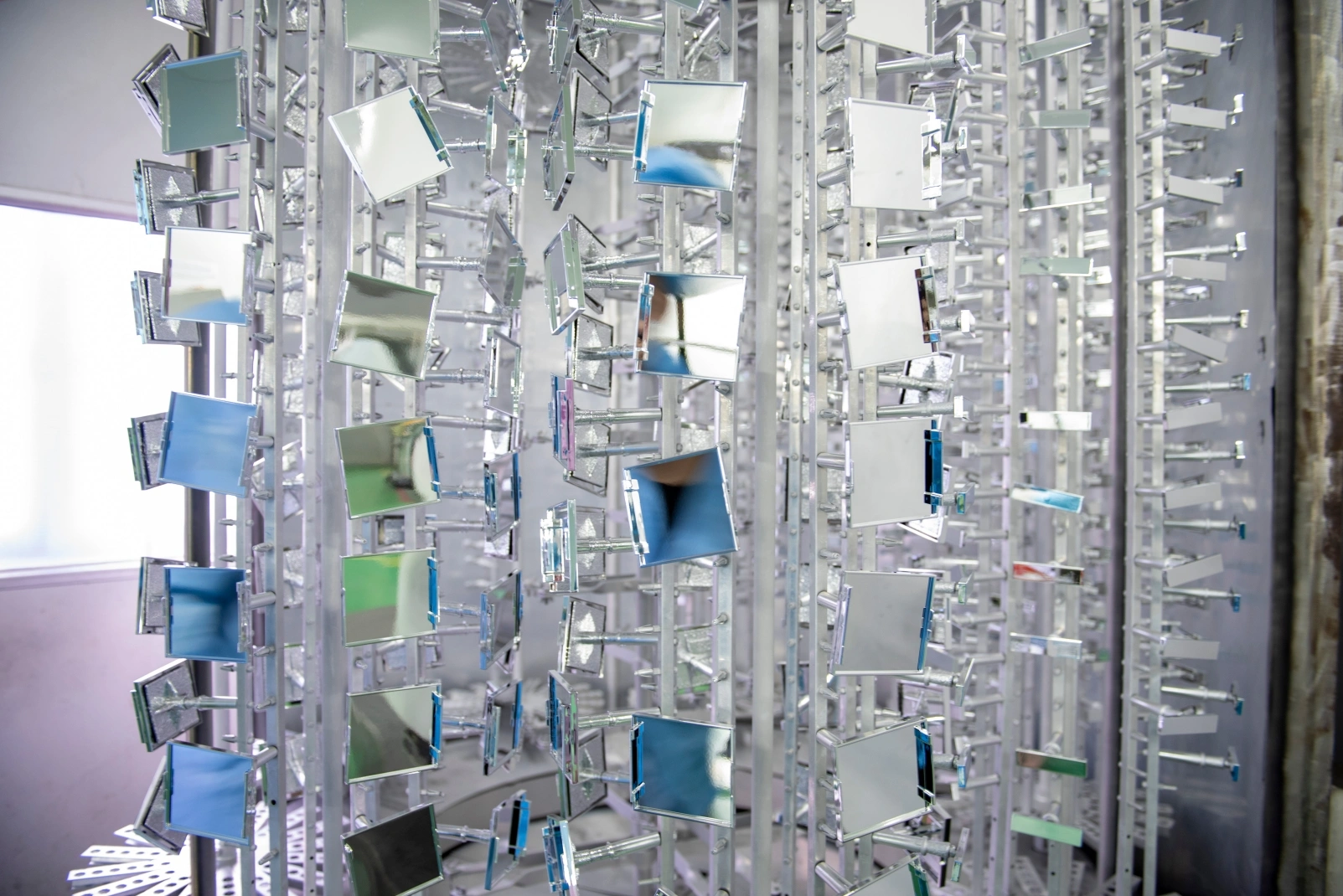
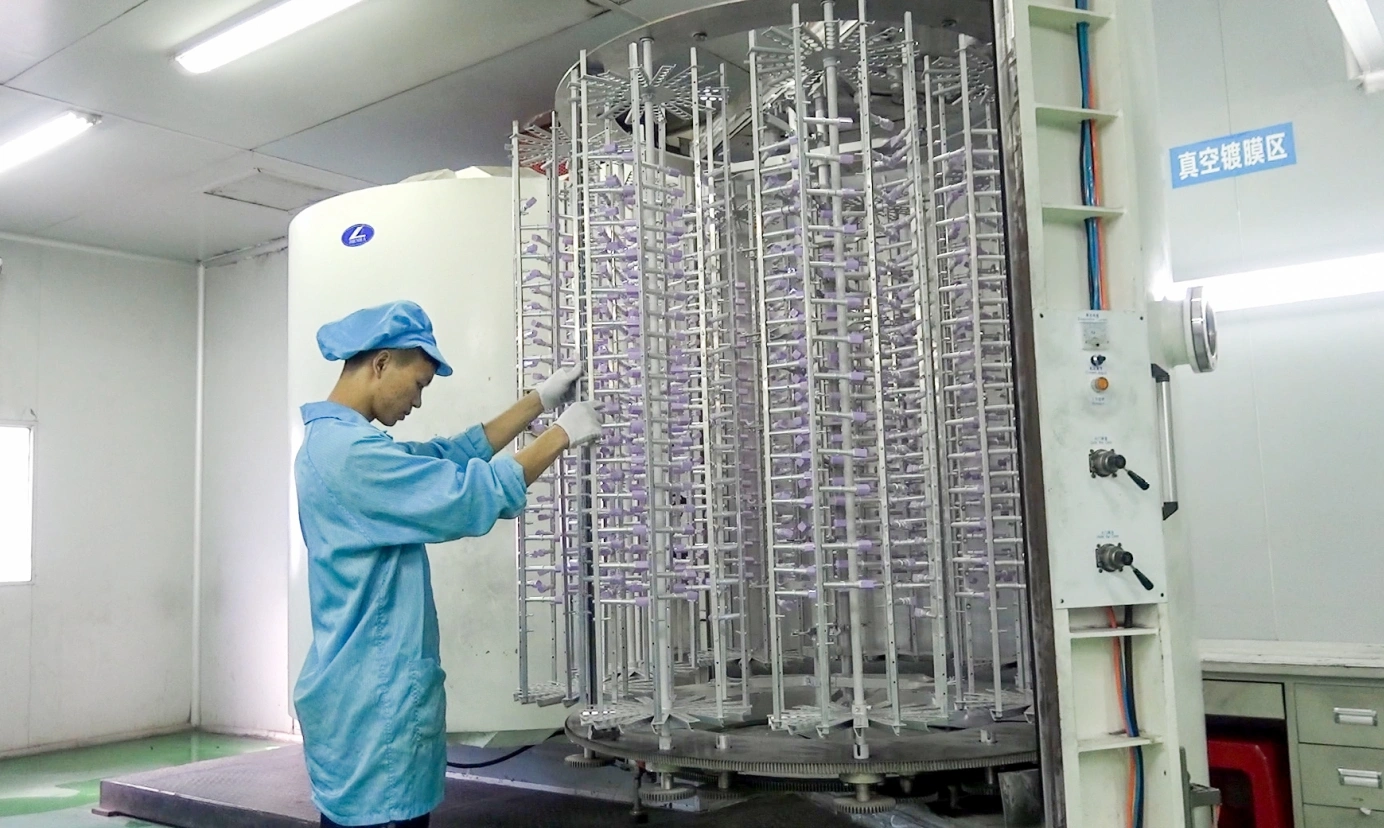
The plastic electroplating process is widely used in various industries and plays a significant role in enhancing product performance. However, issues such as adhesion, uniformity, environmental protection, and energy consumption are prominent in the electroplating process. This article will conduct an in-depth exploration of how to achieve innovative breakthroughs, aiming to promote the electroplating process towards green and sustainable development while ensuring quality and efficiency. In related fields of
plastic injection molding, these finishing innovations are equally critical.
I. Adhesion Enhancement: The Firm Bond between Plastic and Metal Coatings
1. Adhesion Challenges
The materials of plastic and metal coatings are vastly different. The surface energy of plastic is low and chemically inert, while the metal coating is highly active. This difference leads to weak affinity between the two, posing challenges to the bonding force. For example, in the electroplating of automotive interior parts, poor adhesion may cause the coating to peel off, affecting the appearance and service life.
2. The Role of Primer
In the plastic electroplating process, enhancing adhesion is crucial for optimal results. Among them, the use of primer plays a key role in strengthening the adhesion between plastic and metal coatings. The primer can improve the wettability of the plastic surface, enabling the electroplating solution to spread evenly. It has good compatibility with both plastic and the coating, enhancing adhesion through chemical bonding or physical adsorption.
3. Special Surface Treatment Technologies
Plasma Treatment
Generating plasma, its high-energy particles collide with the plastic surface, removing contaminants and the weak boundary layer, introducing polar functional groups, and increasing the surface energy and chemical bonding force. For example, after this treatment on the plastic lamp housing, the adhesion of the coating is enhanced, and the coating remains firm during long-term use.
Laser Treatment
A high-energy density laser beam heats and modifies the plastic surface, forming a concave-convex structure that increases roughness, alters the chemical composition, and enhances both mechanical interlocking force and chemical bonding force. For example, after laser treatment and electroplating of the plastic gear, the coating is less likely to peel off when subjected to mechanical loads, thereby improving its service life and performance.
4. Case Analysis
In the production of automotive interior electroplated parts, the adhesion of the coating in the original process was poor, and the coating peeled off during high-temperature and high-humidity environment tests. After introducing the composite process of primer and plasma treatment, the qualified rate increased from 70% to over 95%, significantly improving the product quality and competitiveness, proving the effectiveness of the technology in enhancing adhesion.
II. Uniformity and Thickness Control: Ensuring the Quality of the Electroplated Layer
1. The Importance of Uniformity in Plastic Electroplating
The uniformity of the electroplated layer is related to the aesthetics and functionality of the electroplated parts. In terms of appearance, it ensures consistent color and gloss, meeting high-quality requirements. In terms of function, for example, in the electromagnetic shielding parts of electronic devices, a non-uniform coating can affect performance in
injection molded plastic components.
2. Analysis of Factors Affecting the Uniformity and Thickness in Plastic Electroplating
Current Density
Uneven current density causes the ion deposition to be faster and the coating to be thicker in areas with a strong electric field, and vice versa, affecting the uniformity. For example, when electroplating complex plastic workpieces, the convex parts and edges tend to receive thicker coatings, while the concave parts tend to receive thinner coatings.
Electroplating Time
The length of the electroplating time directly determines the thickness of the coating. Improper control of the electroplating time will affect the growth rate of the coating due to factors such as current distribution, resulting in inconsistent thickness. Excessive electroplating time exacerbates non-uniformity, while too short an electroplating time affects functionality.
Electrolyte Temperature
The electrolyte temperature affects the ion diffusion and reaction rate. Uneven temperature will cause different reaction rates in other parts, destroying the uniformity of the coating, such as the impact of temperature differences in large electroplating tanks.
3. Control Technologies
Pulse Electroplating
Periodically changing the current density during the on period allows for rapid deposition, while during the off period, ion diffusion is restored, reducing concentration polarization and precisely controlling the thickness. For example, after electroplating the plastic circuit board, the uniformity of the coating between the lines is improved.
Intelligent Electroplating System
Sensors monitor parameters in real-time, and the algorithm and control system adjust according to preset values. For example, when detecting abnormal current density, it automatically adjusts to ensure uniformity, such as in the electroplating of automotive parts, improving the quality, stability, and reducing the scrap rate.
4. Practical Application
A factory electroplated plastic shells. The thickness deviation of the coating in the traditional process was significant (±5 μm), affecting both the appearance and electromagnetic shielding performance. After optimization with pulse electroplating and the intelligent electroplating system, the deviation was controlled within ±1 μm, improving the appearance and increasing the electromagnetic shielding qualification rate from 80% to 98%. This demonstrates the technical effect and contributes to the industry’s development.

III. Environmental Protection and Energy Consumption: The Green Transformation of the Electroplating Industry
1. Environmental Problems in the Electroplating Process
Electroplating generates wastewater (containing heavy metals, etc.), waste gas (acid mist, etc.), and waste residue (heavy metal precipitates, etc.), polluting water bodies, the atmosphere, and soil, thereby endangering the ecosystem and human health. The traditional process also has high energy consumption.
2. Waste Water Treatment Technologies
Chemical Precipitation Method
Adding chemicals to precipitate and separate heavy metal ions. It is simple to operate and has a low cost, but it produces a large amount of sludge and has a poor removal effect on complex heavy metal ions.
Membrane Separation Method
Using a semi-permeable membrane for separation. It has a positive effect, produces pure effluent, and can recycle resources; however, it requires a significant investment, has high costs, and the membrane is prone to fouling and clogging.
Biological Treatment Method
Relying on microbial metabolism to remove harmful substances. It has a low cost and no pollution, but it has a long cycle, high requirements, and unstable effects.
3. Green Electroplating Technologies
Cyanide-free Electroplating
Using non-toxic complexing agents to replace cyanide, reducing toxicity at the source, improving the environment and working conditions, and promoting the green development of the industry.
Trivalent Chromium Electroplating
It has low toxicity, reduces chromium pollution, and offers specific performance benefits; however, the coating’s thickness is limited, and the process requires improvement.
Low-energy Electroplating
For example, pulse electroplating reduces energy consumption, and optimizing equipment and parameters also helps save energy, contributing to the sustainable development of the industry — aligned with efficient
plastic injection molding service.
4. Industry Practice
An enterprise initially faced significant environmental protection and energy consumption issues with its traditional process. Later, it introduced green technologies, such as cyanide-free trivalent chromium electroplating, and employed a combined method of precipitation and membrane separation for wastewater treatment, achieving compliance with discharge standards and promoting water recycling. It also utilized low-energy technologies to reduce energy consumption by 30% and costs, serving as an example of the industry’s green transformation.
Conclusion
Through the analysis of key technologies in the plastic electroplating process, it becomes clear that innovative technologies are crucial for addressing problems. In the future, it is expected that the plastic electroplating industry will continue to innovate and achieve greener electroplating processes, jointly creating a promising future. For design-to-production support, consult an experienced
injection molding manufacturer
and explore
custom injection molded parts
programs that integrate finishing from the outset.