
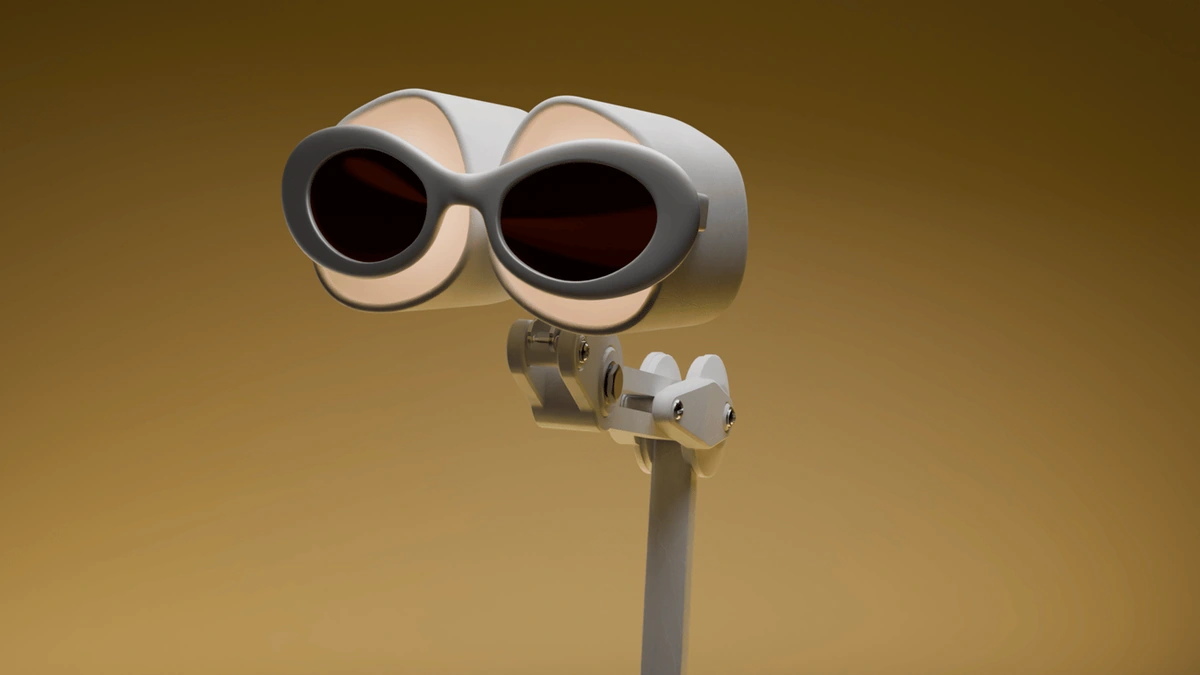
What else can a desk lamp do? Beyond providing light, Ongo from Interaction Labs is a desktop character that moves. Its two round lamp heads resemble eyes, and its jointed arm lets it change posture. Movement, lighting, and speech work together as it interacts with people.
If you are developing home accessories, desktop gadgets, or playful electronic products, this case raises a useful question: how can a familiar object gain fresh appeal by responding to people, and how can that idea become a product that can be manufactured?
This Lamp Did Not Start Out as a Lamp
According to the startup organization Entrepreneurs First, the founders initially worked on an interactive storybox toy. They built early prototypes at a startup campus, then spent months talking to parents and refining the product’s form. The concept gradually shifted from a toy to a lamp robot for the home.
That experience suggests an approach to development: first find a setting where people want to spend time with the product, then refine its form. A desk lamp already has a place on a desk and a clear lighting function. When the founders later introduced Ongo, they still stressed that it should first be a useful lamp. The color and brightness of its light can also communicate its state.
Alec Sokolow, one of the screenwriters of Toy Story, also joined as creative director, helping shape the character and its interactions. Storytelling meets electronics and robotics here: the character’s responses ultimately have to become movements, light, and sound from a physical device.
How Does a Movement Become a Response?
A lamp head that turns toward someone suddenly and quickly feels different from one that slowly lifts, pauses, and then turns to face them. Direction tells a person where the lamp’s attention is focused. Speed and pauses affect how that movement is interpreted.
Apple’s research on a lamp-shaped robot explores this kind of expressive movement. Turning toward someone can signal attention, nodding can express agreement, and changes in speed and pauses can alter the attitude a movement conveys. This is a separate research robot whose demonstrations use predefined motion trajectories. It also shows that people can design expressive movements first and then evaluate them with a prototype.
When developing a similar product, start with a specific interaction: someone says hello, the lamp turns toward them, and a change in lighting accompanies a spoken reply. Can the user tell that the lamp is responding to them? Do the movement and voice feel natural? Can it also stay still and provide light while they read? These questions determine whether movement becomes an experience people want to keep using.
How PCBs and APIs Turn a Response into Action
Consider the request “I want to read.” The following describes a general development approach, not Ongo’s disclosed internal architecture.
To understand different ways of phrasing a request, the device software can call a model service through an API, an interface through which software exchanges requests and results. It can make operations such as “adjust the light” or “run a preset pose” available to the model. When the model returns an operation request and its parameters, the software checks that they fall within permitted limits before passing them to the hardware for execution.
A PCB is a printed circuit board that supports and connects electronic components. Once fitted with a controller, a power supply, and the appropriate driver circuits, it works with the software to control components such as lights and motors. Espressif’s servo control documentation, for example, illustrates the sequence from a target angle specified in software to a control signal from the chip and the resulting servo movement.
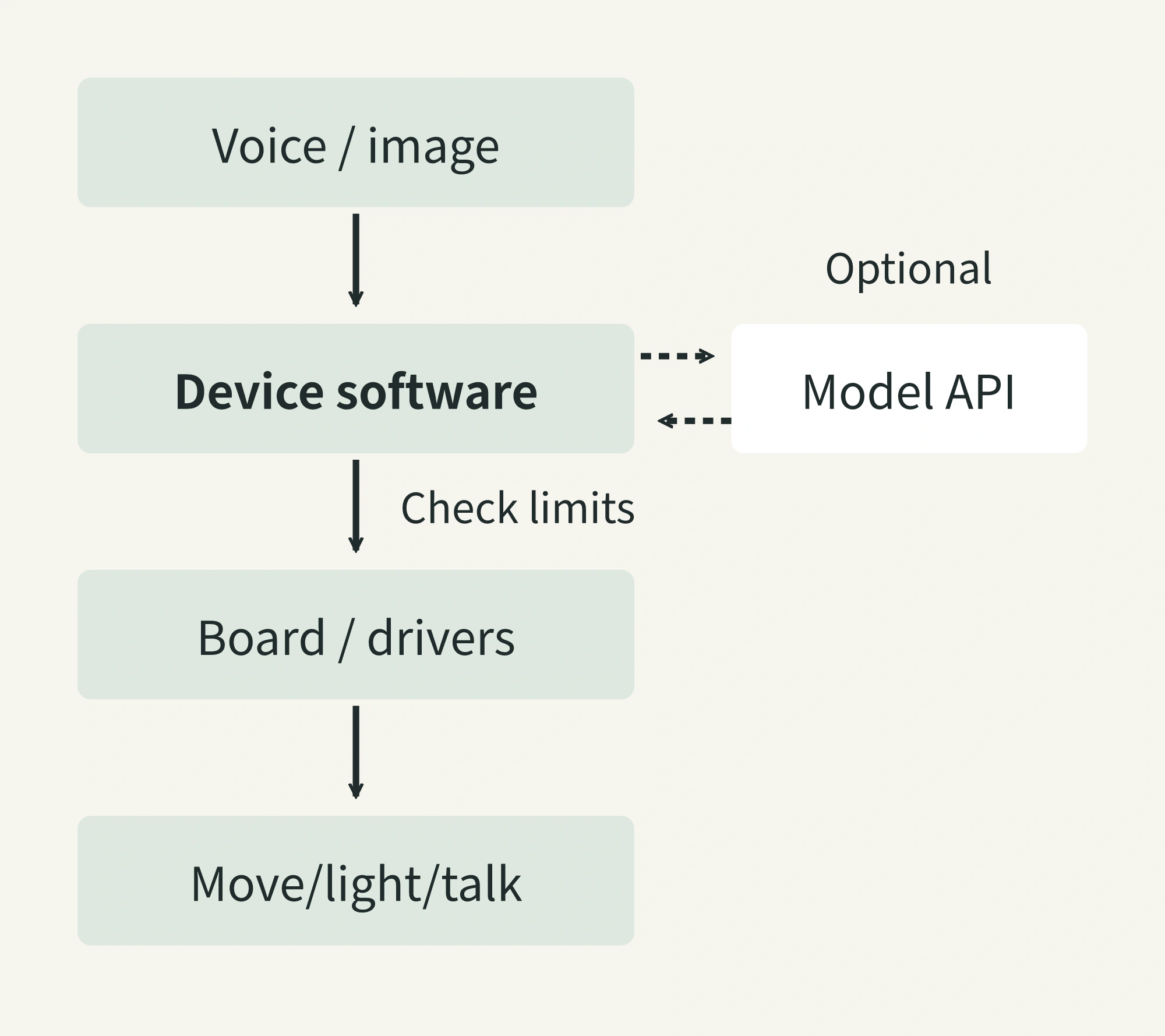
A fixed greeting movement or a nod triggered by a button can initially run on preset software. Whether to connect a model for open-ended conversation and how to achieve stable motor movement are separate tasks that must then work together.
From One Interaction to a Manufacturable Product
A first prototype can use a development board, off-the-shelf actuators, and a 3D-printed housing to complete one response. Observe whether it triggers correctly, whether the response is delayed, whether motor noise overwhelms speech, and whether movement obstructs the area being lit. Refining these relationships before adding features makes it easier to judge whether the concept works.
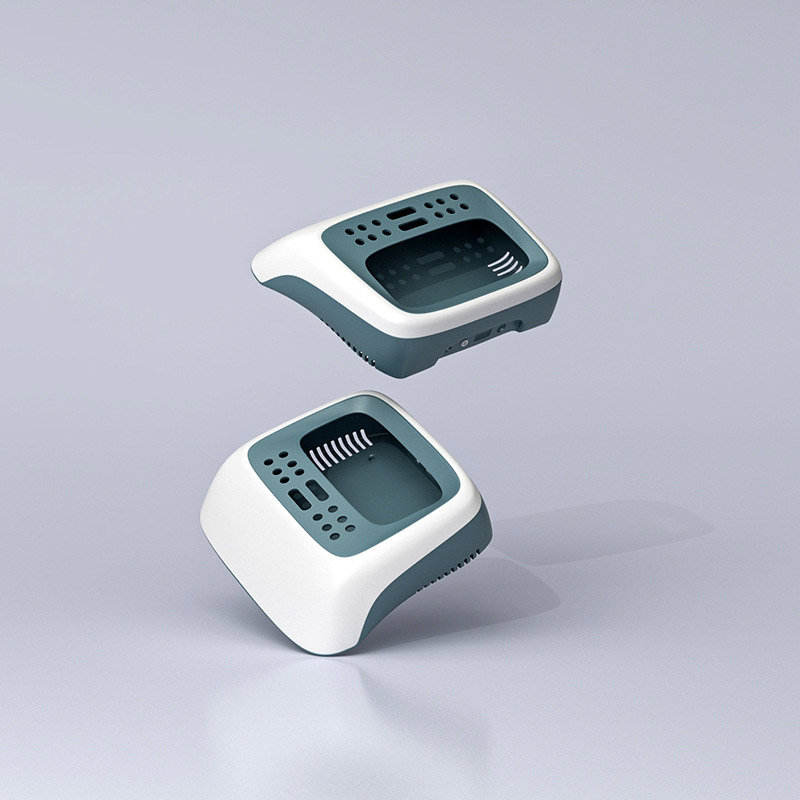
Once the movements are defined, the mechanical design needs to accommodate them. Check where the circuit board will fit, whether the joints have enough room to rotate, and whether moving parts could pull or pinch the wiring. The effect of the lamp head’s weight on the drive system and the stability of the whole device also needs to be checked in the prototype.
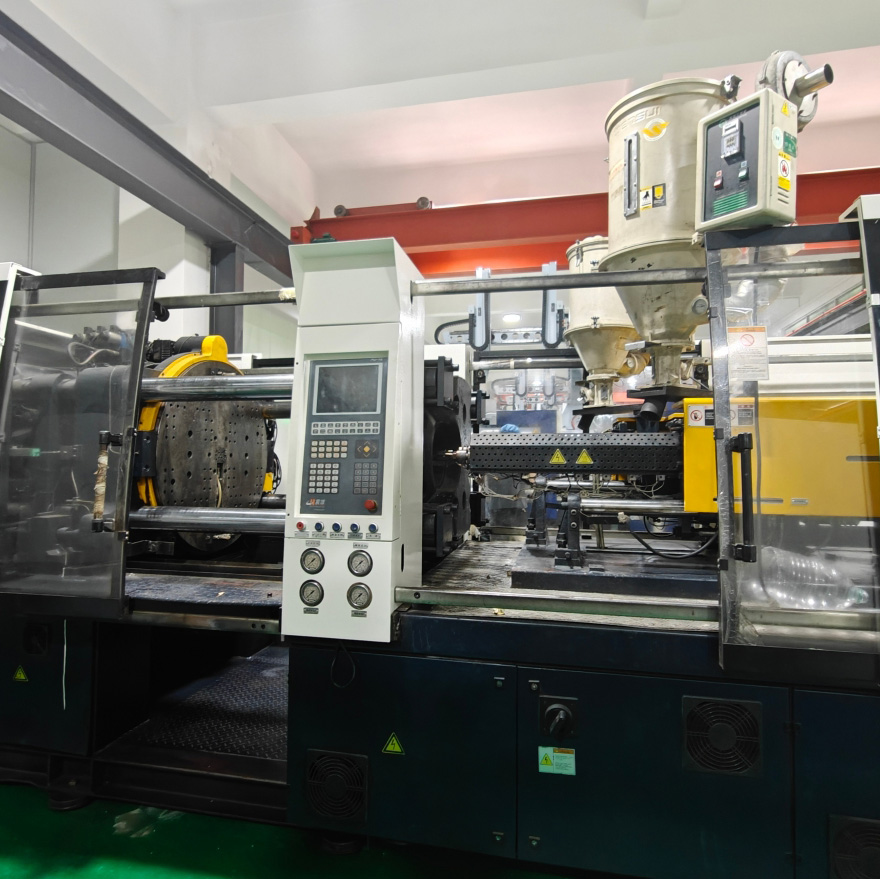
In Worldbound Plastic Products‘ development process, from product design to manufacturing, the electronic component layout and housing structure are considered together. A 3D-printed housing is assembled with purchased components to verify the prototype. Once the experience and layout are established, the structure is refined for mold making, injection molding, and assembly, followed by circuit board, plastic part, and complete product testing. A working printed prototype demonstrates functional feasibility; assembly consistency and performance after repeated movement still need to be verified.
A product that interacts with people also needs to give them clear ways to control it. Ongo’s magnetic opaque sunglasses let users physically cover the camera, although it can still pick up audio while wearing them. Its privacy policy states that conversation audio after the device is woken, along with photos taken as needed to answer questions, is sent to the cloud for processing.
This lamp case brings product development to a more specific question: where does your product appear in everyday life, and what well-judged response would make people want to use it more? Start with that one interaction, then bring software, electronics, and mechanical design together to make it work.