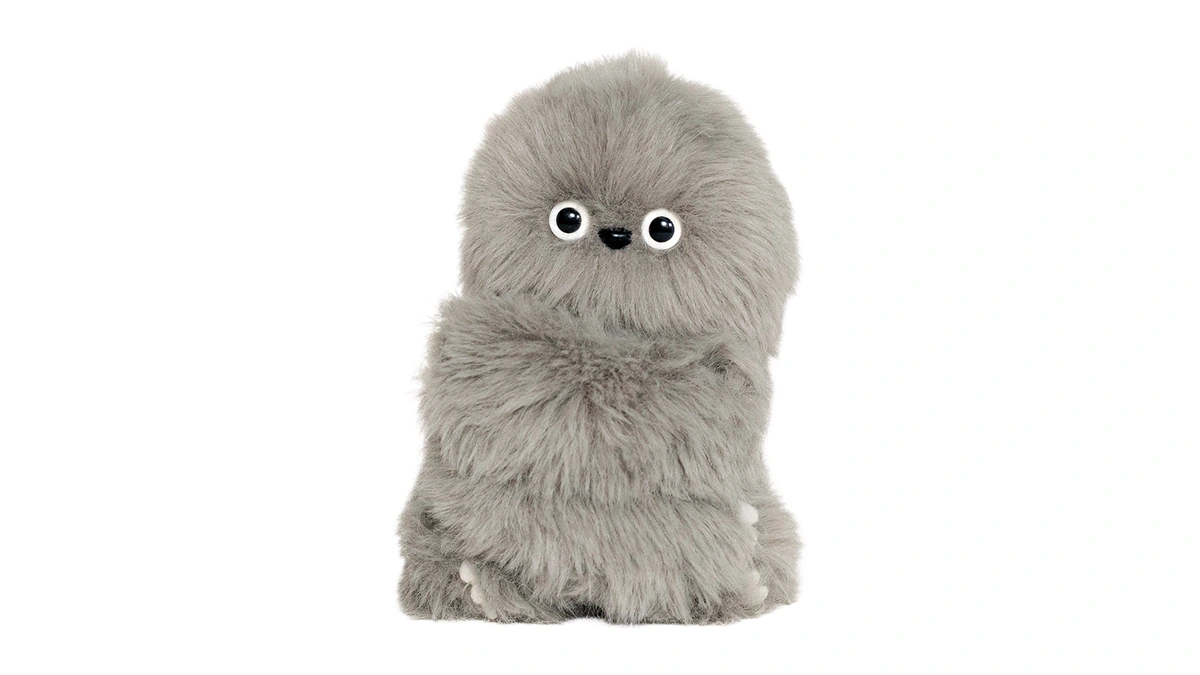
Mirumi’s plush appearance and long arms. Image: © Yukai Engineering, official Mirumi media assets.
When developing an AI toy, it helps to ask more than what it can answer. What would make someone want to get close to it?
Mirumi, from Japanese robotics company Yukai Engineering, is a plush robot that can attach to a bag. Small movements, such as turning its head and looking around, express curiosity and shyness. The emotional experience it aims to create is specific: a glance from a cute little creature that makes someone smile and want to respond.
For developers, the useful lesson is how that experience extends from a movement into everyday life.
Make One Emotion Clear First
According to Mirumi’s website, it turns its head toward sounds. Watch the official demonstration below: its head turns from behind and to one side, bringing its previously hidden eyes into view, as though a little creature has noticed you.
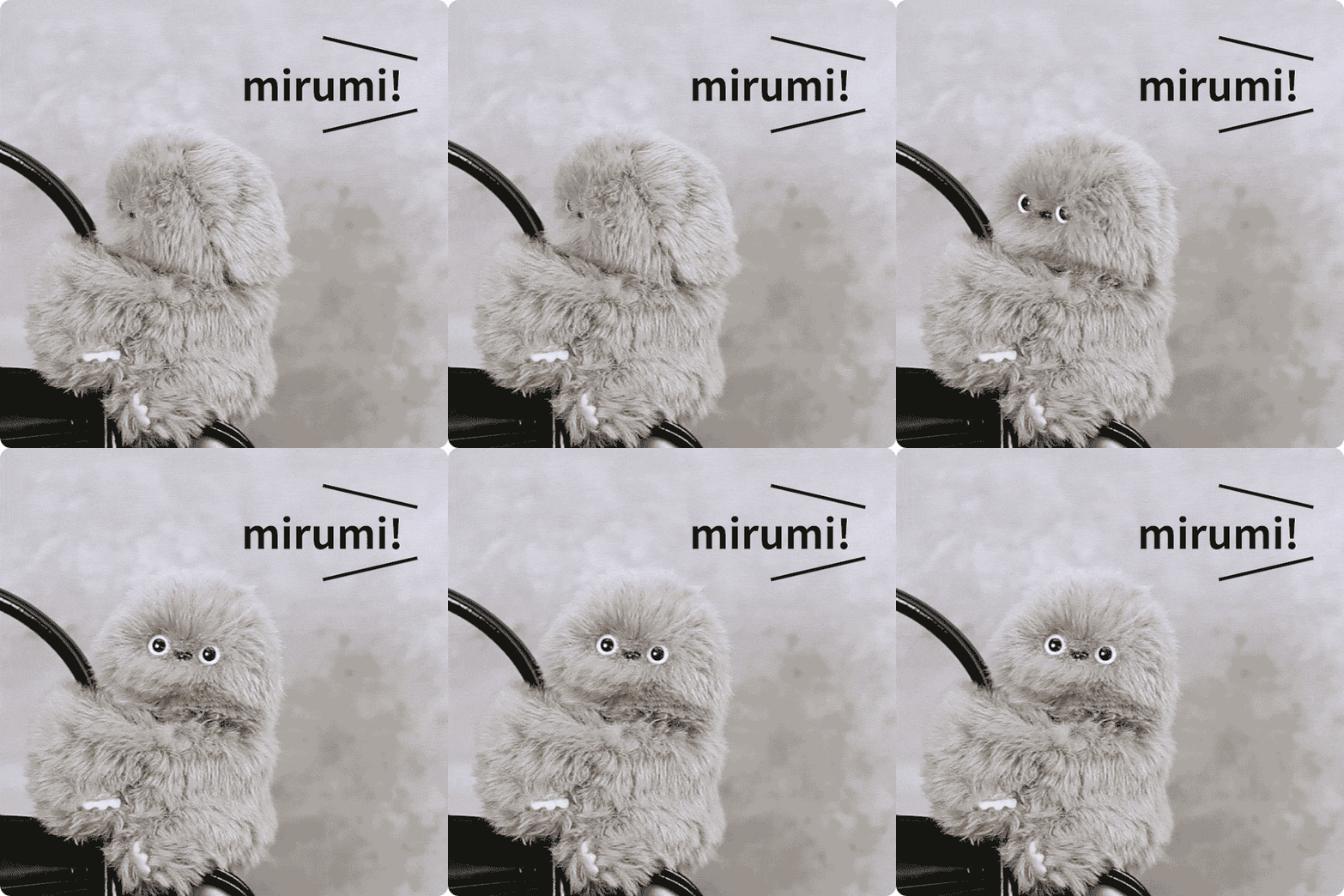
Mirumi’s official demonstration of turning toward sound. Image: © Yukai Engineering, Mirumi website.
Its crowdfunding description presents another situation: while looking around, it lifts its head, happens to meet your gaze, then looks away, expressing shyness.
This gives developers a concrete point of reference: design the movement together with the situation in which it happens. Turning toward a sound suggests that it is paying attention to something. Looking away after meeting someone’s gaze suggests shyness. Both involve a head turn, but what happens around the movement changes how people interpret it.
First decide whether you want people to feel noticed, acknowledged, or a hint of playfulness. Then assess whether the appearance and movements communicate that feeling.
Attaching to a Bag Changes Who Takes Part
Mirumi’s long arms allow it to attach to a bag strap. As its owner heads out, it becomes part of everyday activities such as commuting or shopping, without requiring a separate time set aside to play with it.

Mirumi attached to a bag strap, accompanying its owner outdoors. Image: © Yukai Engineering, official Mirumi media assets.
More interestingly, it also engages people around the owner. The official account describes its inspiration: people naturally wave when a baby looks at them, and strangers who happen to make eye contact may exchange a smile. Mirumi aims to evoke similar moments of pleasant connection through small movements.
Following that design intention, the value of companionship can extend to connections between people. A bag accessory that catches someone’s eye gives both people an easy opportunity to respond. For developers, this is a reminder to consider the owner, the toy, and the people around them when designing an emotional experience, alongside one-to-one interaction between owner and toy.
Observe Responses First, Then Everyday Use
To apply this case to your own project, start with one situation and build a complete interaction: what triggers it, how it moves, and how you hope people will respond.
During prototype testing, ask participants what it was “doing” before explaining its personality. If they only see a head turning and miss the meaning you intended, examine the relationship between the movement and its trigger in the next iteration.
If people want to respond, bring the prototype into everyday life and see whether they still want to carry it. If they enjoy engaging with it but do not want to take it out, ask whether attaching and removing it is awkward, carrying it is inconvenient, or it does not fit their activities outside the home. These responses can help the team improve the interaction and the way the product is carried and used separately. Finding it cute once does not answer the question of long-term use.
Conversation, memory, or a more capable model can all serve an emotional experience. To decide what to add, return to that moment of interaction: does the feature make it easier for users to feel the emotion you want to convey?
Mirumi leaves developers with a useful question: what small movement could your toy make that would encourage someone to come a little closer?
Sources: Mirumi website; GeekPark’s interview with the founder (January 2025); Mirumi crowdfunding project description; The Verge.